Categories
Club Tops European

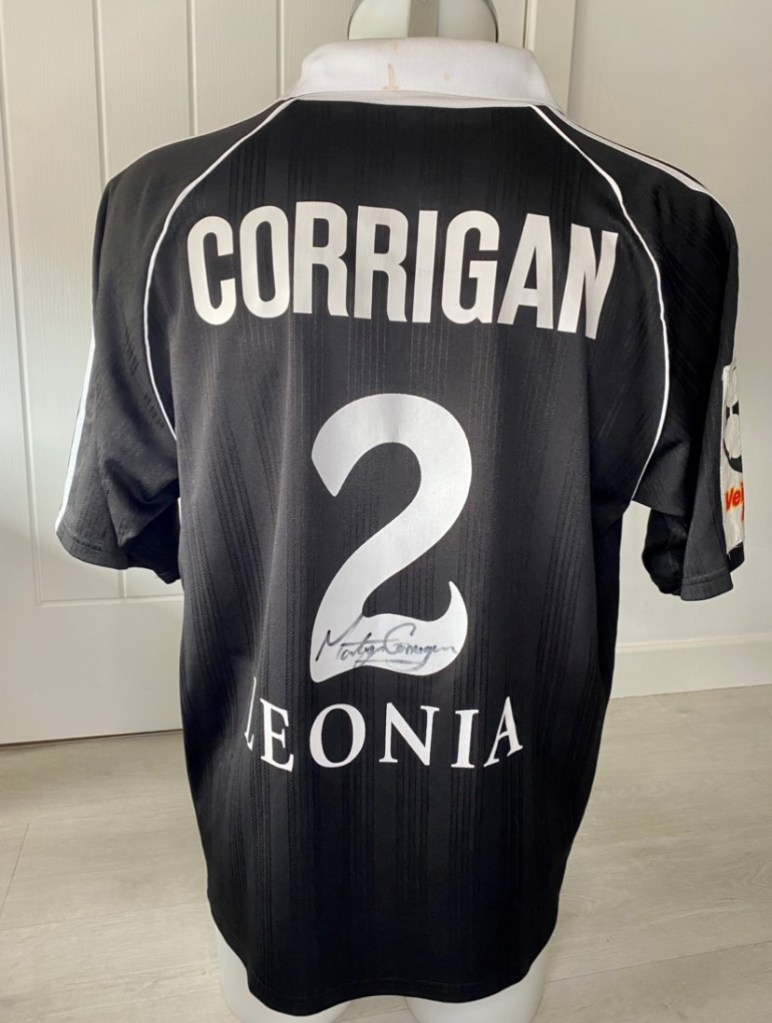
Martyn Corrigan – FC Jokerit 00′

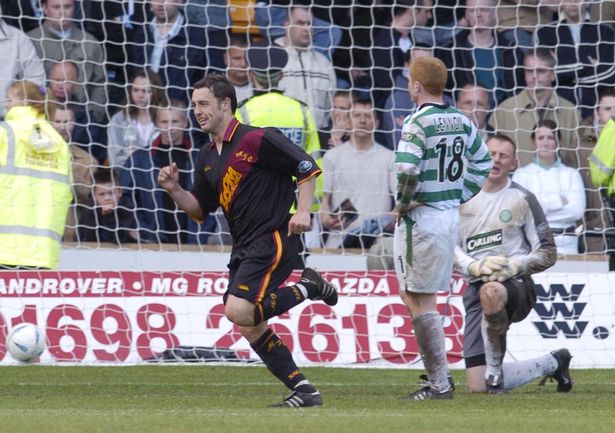
Probably one of the most obscure kits in the world, FC Jokerit have a very small history of just five years but in those five years they managed to bring in a Finnish Cup and a Second division title. Based in Helsinki and starting the 99/00 season in the Second Division, the club managed to win the Finnish Cup in their first season, with help from a young Corrigan who played 13 times for the club after signing from Falkirk in the middle of the season.

After winning the Finnish Cup, Corrigan would sign for Lanarkshire side Motherwell FC, in the 00/01 season, where he would spend seven years of his career and rack up 243 appearances while also representing Scotland B on two occasions.
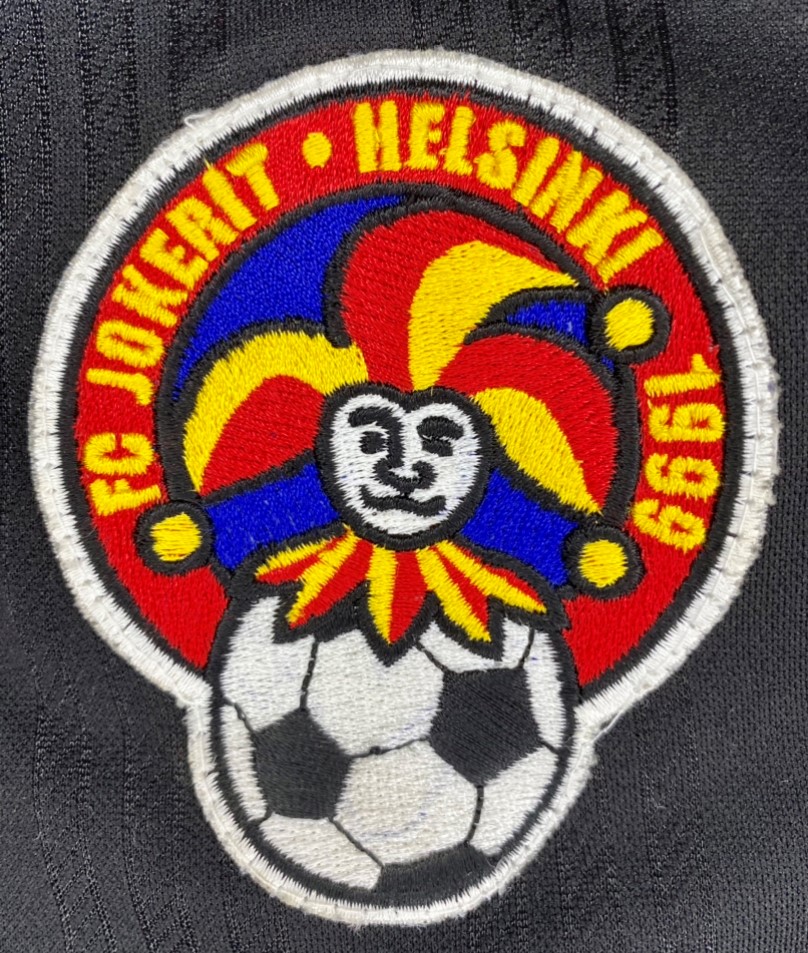
As for FC Jokerit, their last season would be in 2003 where they finished 10th and after that they were bought over in March 2004 by rivals HJK Helsinki and were renamed to Klubi-04 which is used as a reserve team for HJK.

Former Dutch fullback Jan Everse also managed the team for a few months.
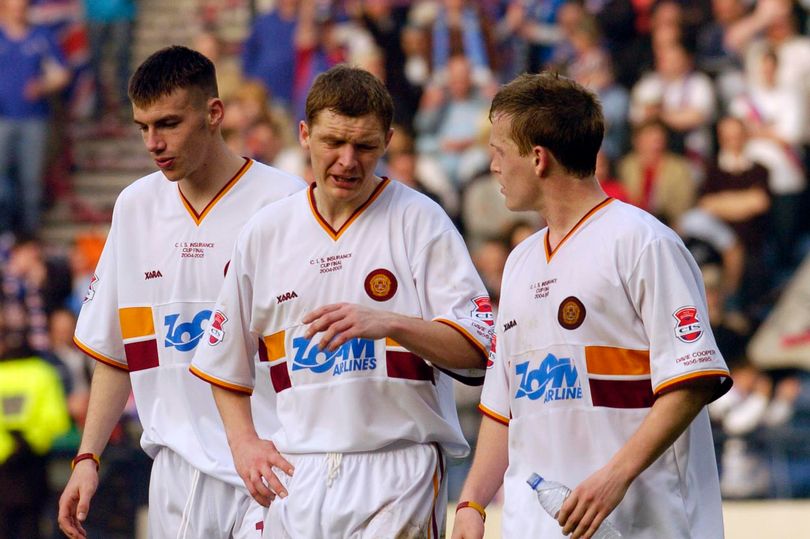
Corrigan, centre, speaking to Hammell, right. Motherwell can stun Rangers at Hampden and banish League Cup ghost of 2005 insists Martyn Corrigan – Daily Record

Naturally a right back, and what a right back he was, Corrigan would play there, centre back and right midfield when called upon. An extremely hard working full back that used his stamina and aggression to get him through games, which is shown by the 02/03 season Martyn would play all but the final 16 minutes. Due to his favouritism with the fans, Martyn would gain the nickname “Kaiser”.

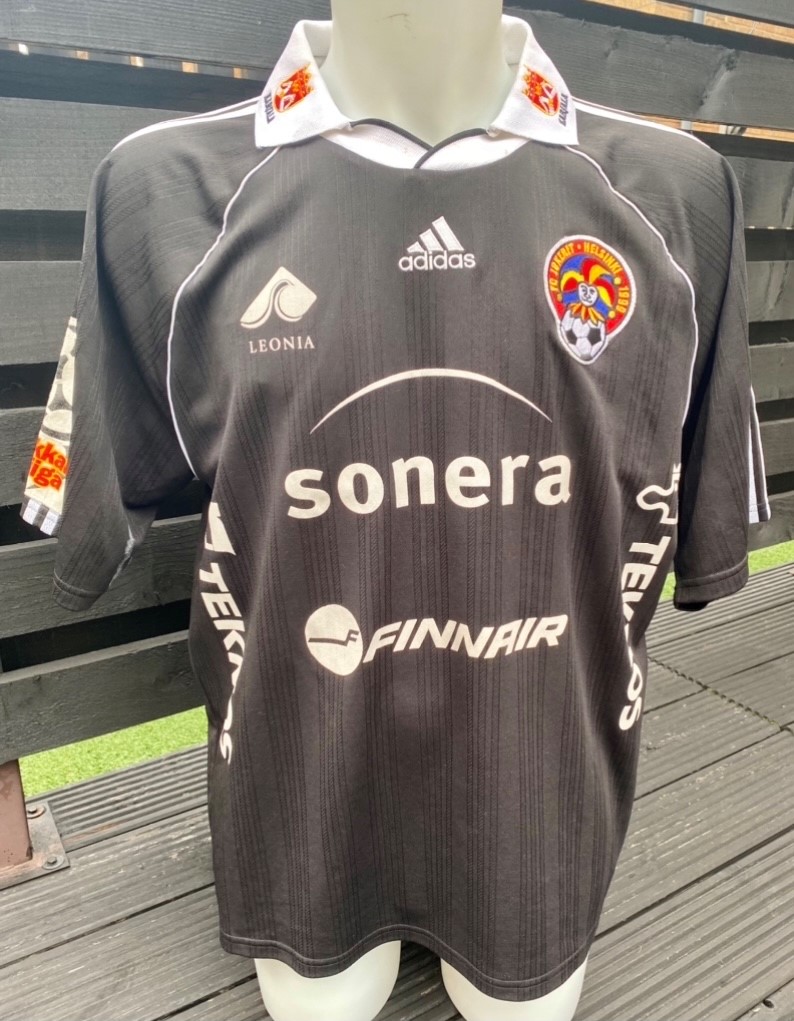
This top really has a lot happening with all the sponsorships, the Karelia coat of arms, Adidas badge and stripes of the cleverly created badge. The collar reminds me of the old Welsh 76′ jersey that uses the Admiral logos on the collar.

A tidy finish too with the front of the collar blending back into the top. The shimmer throughout the small stripes really bring this to life.

The badge features a jester on top of a football with the primary colours, red, yellow and blue, along with the team name, location and year founded.

Categories
European International Tops

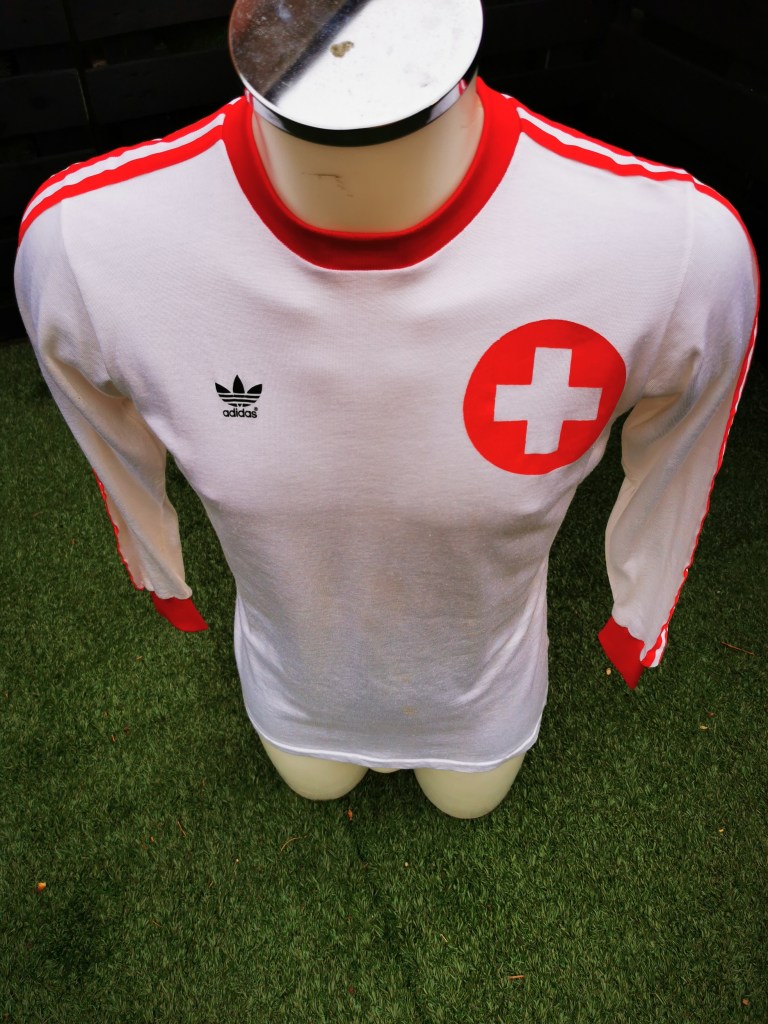
Rene Hasler – Switzerland 76′

As Switzerland begin to face up against Italy on matchday two of Euro 2020, we’re going back in time to show off this golden oldie from when Scotland hosted the Swiss back in 1976.

Rene Hasler was a 5ft 7′ defender who played his full career in Switzerland with FC Zurich, FC Basel for two separate spells and Neuchâtel Xamax FCS.

Starting his career way back in 1969 at FC Zurich, where he would win the Swiss Cup before moving onto FC Basel. It is during his time in Basel Hasler would earn his first cap for Switzerland which would be on the 21st of October 1972 against Italy in a 0-0 draw. Rene’s last international appearance would end with a 2-1 defeat to Spain.

This jersey is from Switzerland’s clash with Scotland from the 7th of April 1976. The game ended 1-0 to Scotland with Willie Pettigrew scoring on his debut for his country inside the first two minutes of the game.

Rene Hasler, Second up on the right column.

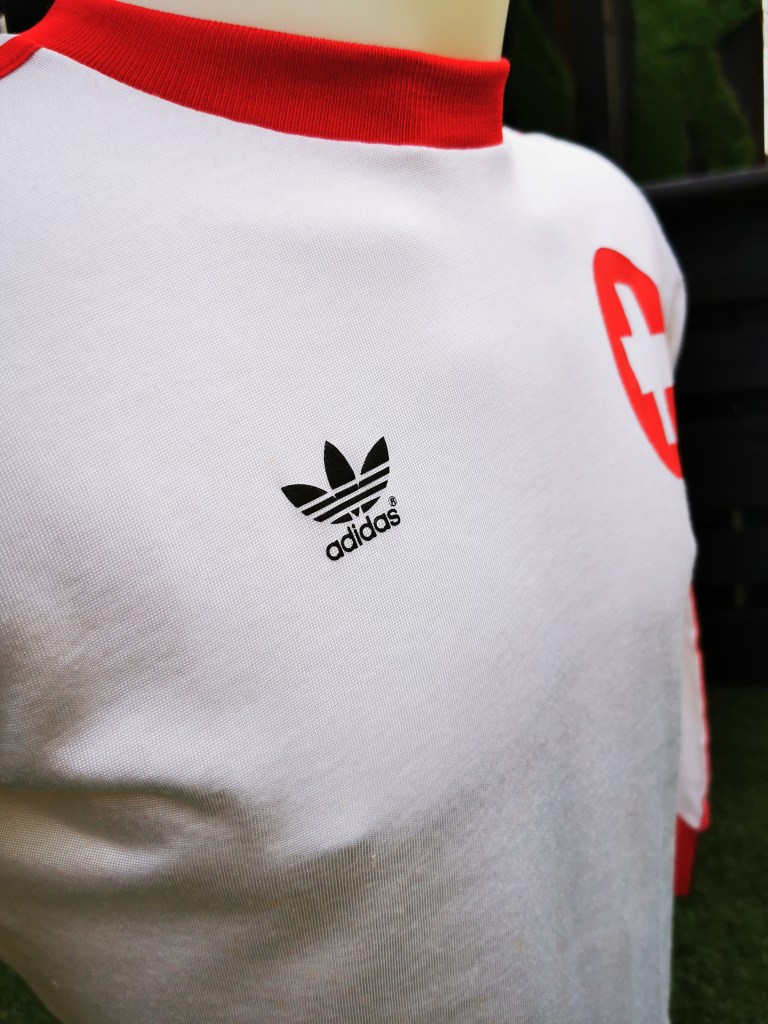
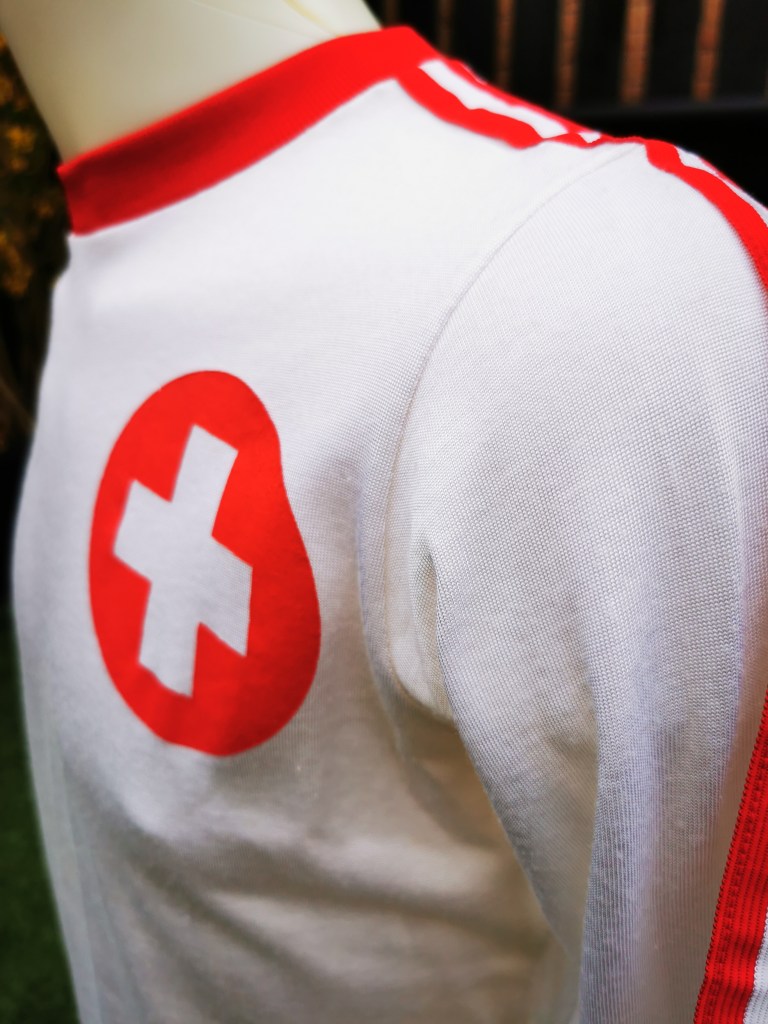
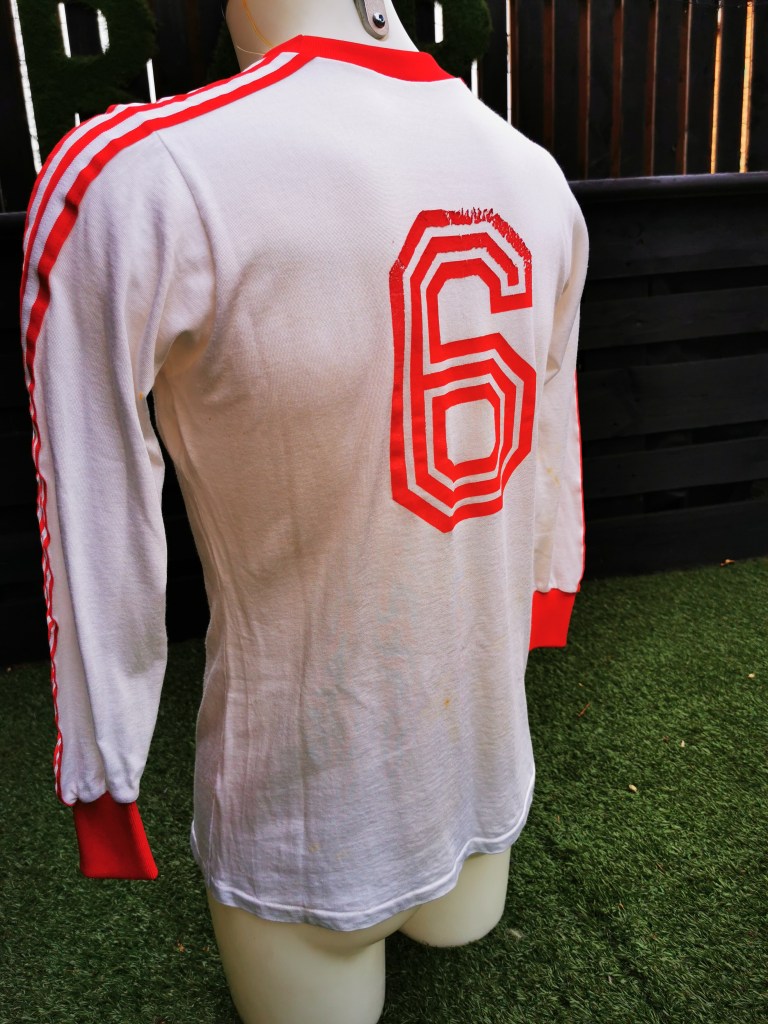
This Adidas classic is similar to many from around that time with a simple two colour combination with one being the main body, white, and the other being used for the collar and Adidas stripes, red. The colours used being from the Swiss flag as shown as the badge.
This top also features a black Adidas branding which other Adidas made kits did not during this time. One such case would be the Netherlands top which is featured on the website that is Adidas but only shows the stripes with no branding.

Categories
International Tops Rest of the World

Scott McDonald – Australia 02′

Aussie forward Scott McDonald would start his career off playing for semi-professional outfits Gippsland Falcons and Casey Comets, where he would become to youngest ever National Soccer League player at 15 years of age, before getting his move to to the south coast of England with Southampton. After a couple of loan spells at Huddersfield Town and Bournemouth and a permanent move to Wimbledon FC, it was his next move up to Scotland that would make everyone remember his name.

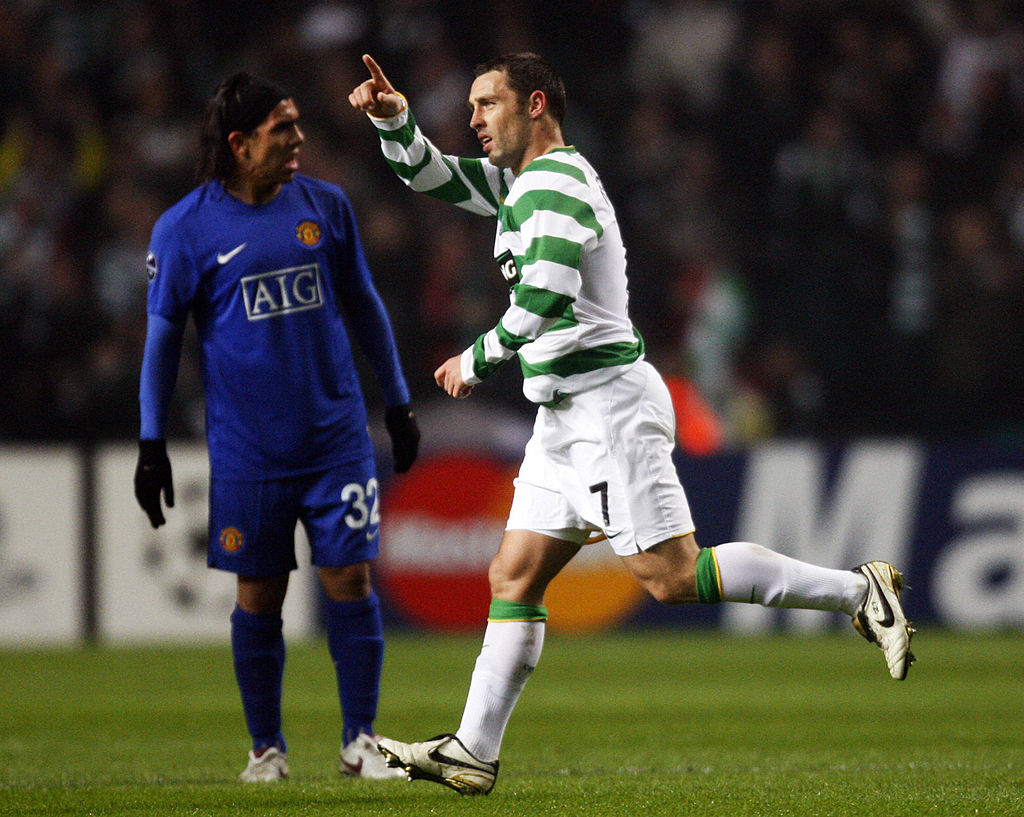
Signing for Motherwell in 2004, McDonald would make over 100 appearances in claret and amber while scoring over forty goals in his first stint at Fir Park. The Aussie can be most remembered for famously scoring a brace against Celtic on the last day of the season of the 04/05 season to deny Celtic the title, giving it to city rivals Rangers.

Motherwell would accept a bid of £700,000 from Celtic at the end of the 06/07 season where he would spend the next three years of his career making 88 appearances and scoring 51 goals. McDonald would win the league in his first season with the bhoys while being named the leagues top scorer and adding a league cup winners medal to his collection in the 08/09 season. During the Champions League group stage in November 2008, McDonald would famously score against Manchester United, holding them to a 1-1 draw. Scott would move on from Celtic on the 1st of February 2010, deadline day, to Middlesbrough for £3.5 million to join up with previous manager Gordon Strachan.

After Middlesbrough, McDonald would have a successful career playing for Millwall, Motherwell again, Dundee Utd and Partick Thistle before moving back to his homeland of Australia where he’s played with Western Utd, Brisbane Roar and most currently Western Sydney Wanderers. McDonald managed to feature 26 times for his country.

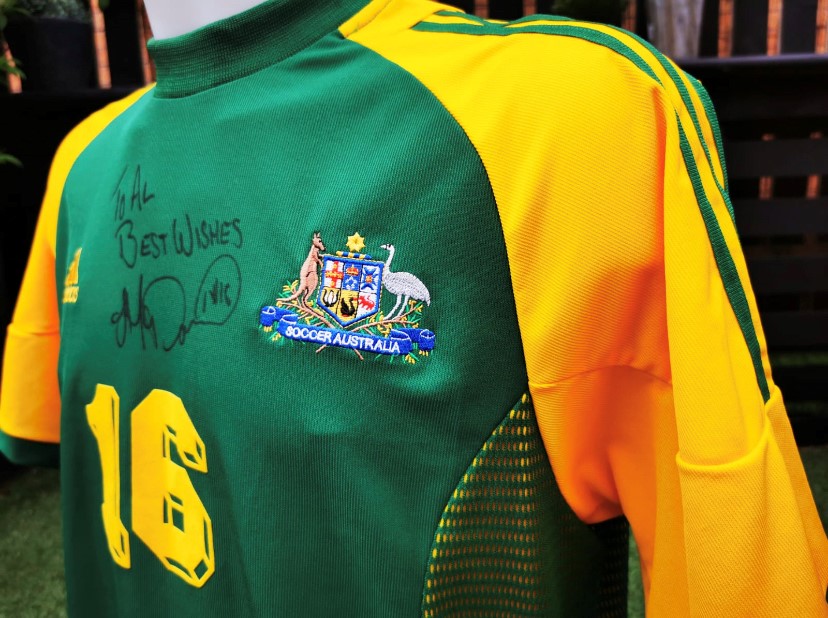
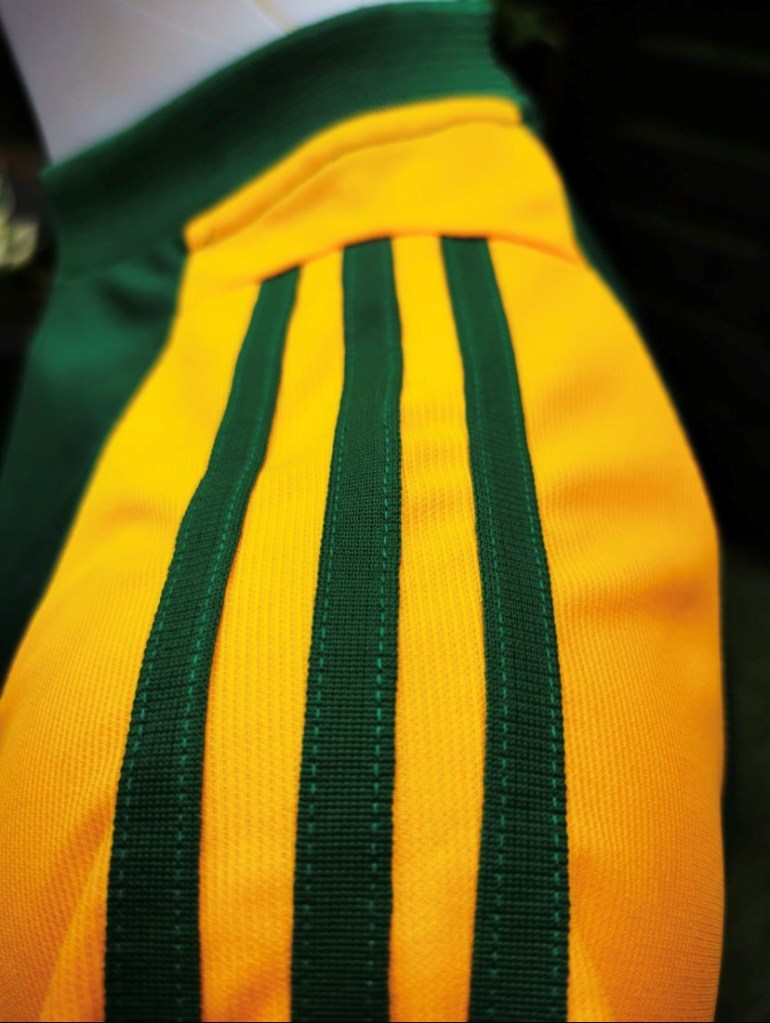
This jersey is one of McDonald’s early tops from his time with the Australia under 20’s where he would play 24 times, playing under coach Ange Postecoglou, who at the moment is being heavily linked to the vacant Celtic managerial position.

This Adidas branded kit bolsters Australia’s classic Green and Yellow, displaying a small felt number in the centre of the jersey front and the normal larger size template on the back. As it’s a under 20’s top, no names were printed on the back.

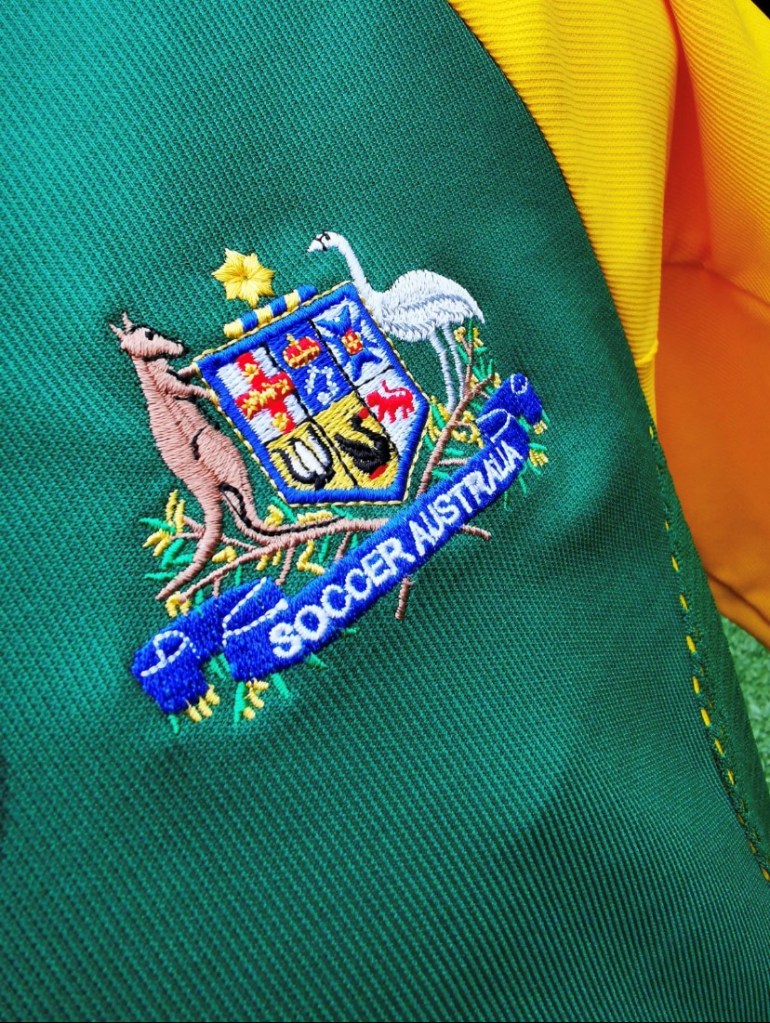
Instead of the badge showing the Football Australia logo, it shows the Australian coat of arms which bolsters a shield with the badges of states New South Wales, Victoria, Queensland, South Australia, Western Australia and Tasmania while being supported by a kangaroo and an emu.

Categories
Club Tops European

Radovan Krivokapić – Red Star Belgrade 05′

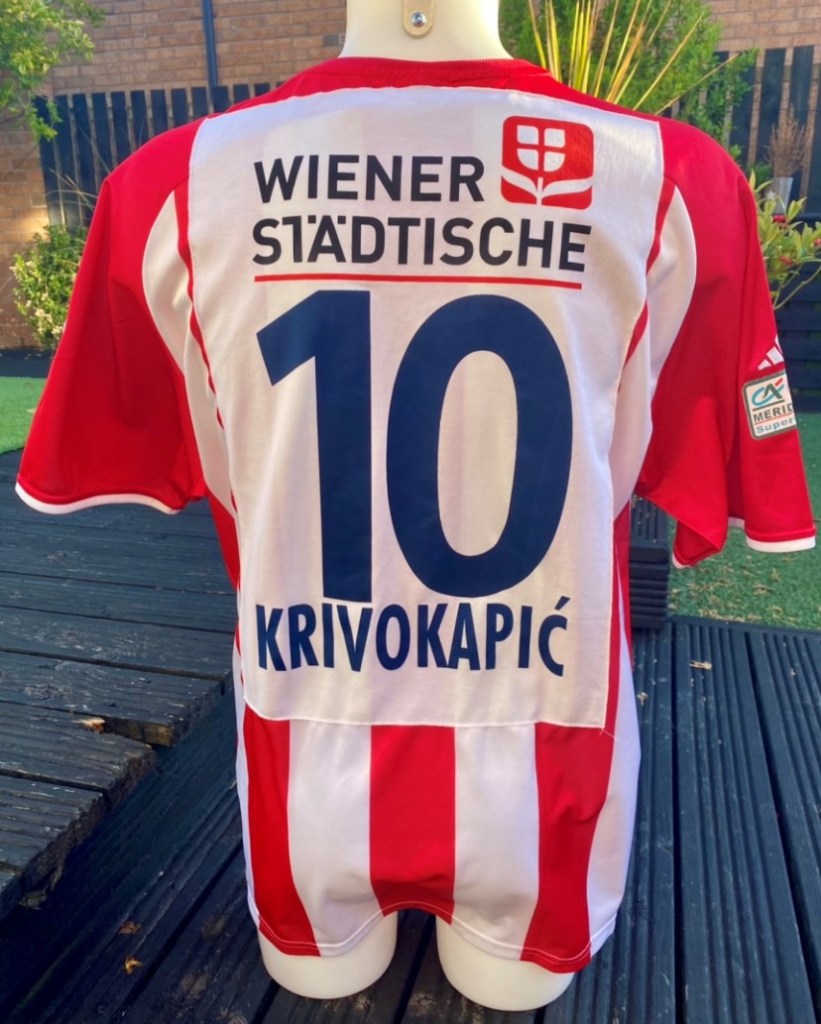
Ex-Yugoslavian international Radovan Krivokapić would start his career with Serbian side Vojvadina before making his move to the most successful club in Yugoslavia, Red Star Belgrade (Crvena zvedzda). During his time at Red Star Radovan would win the First League of Serbia and Montenegro in 03-04 and in 05-06 which is the season which featured this kit.

Red Star are the current champions of the Serbian Superliga having beaten rivals Partizan to the league title, winning their 7th league title since the league was founded in 2006. Since the leagues inception, Partizan and Red Star are the only teams to have secured the title with Partizan on 8 league titles, one ahead of their fierce rivals.

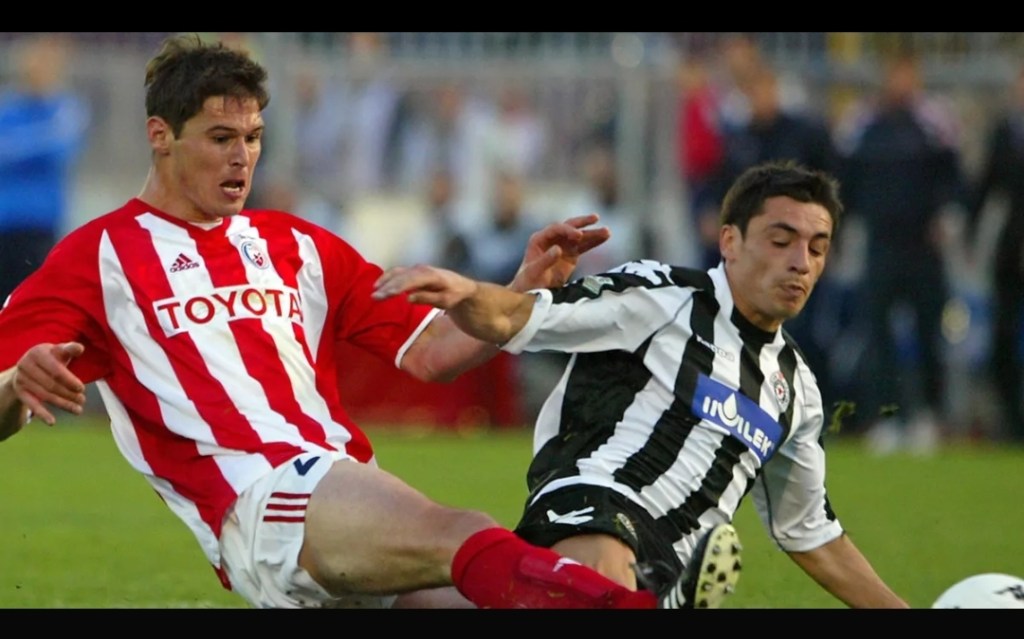
Red Star Belgrade vs Partizan Belgrade in the 05-06 season. Credit – https://alchetron.com/Radovan-Krivokapić

During the currents season, Red Star broke the league records of most points won in a single season (108), most team goals in a single season (114) and the highest goal difference in a single season (+94). This had helped them gain the ranking of 50th in UEFA’s current team rankings as of April 2021.

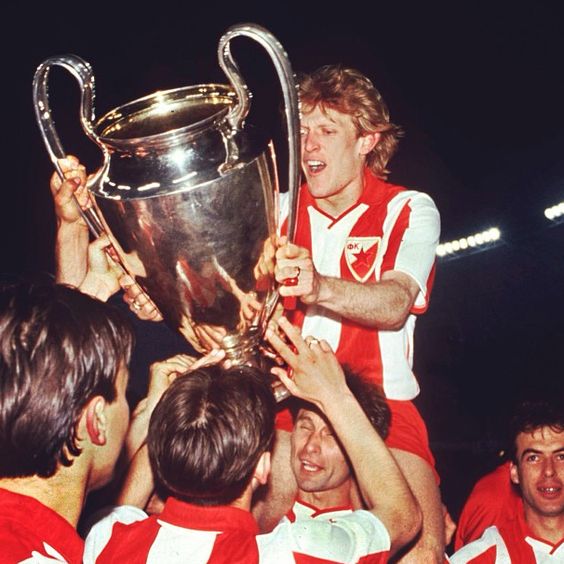
It is also to be remembered that Crvena Zvedzda also won the 1991 European Cup in Bari after beating Olympique de Marseille 5-3 on penalties after 120 minutes without a goal.

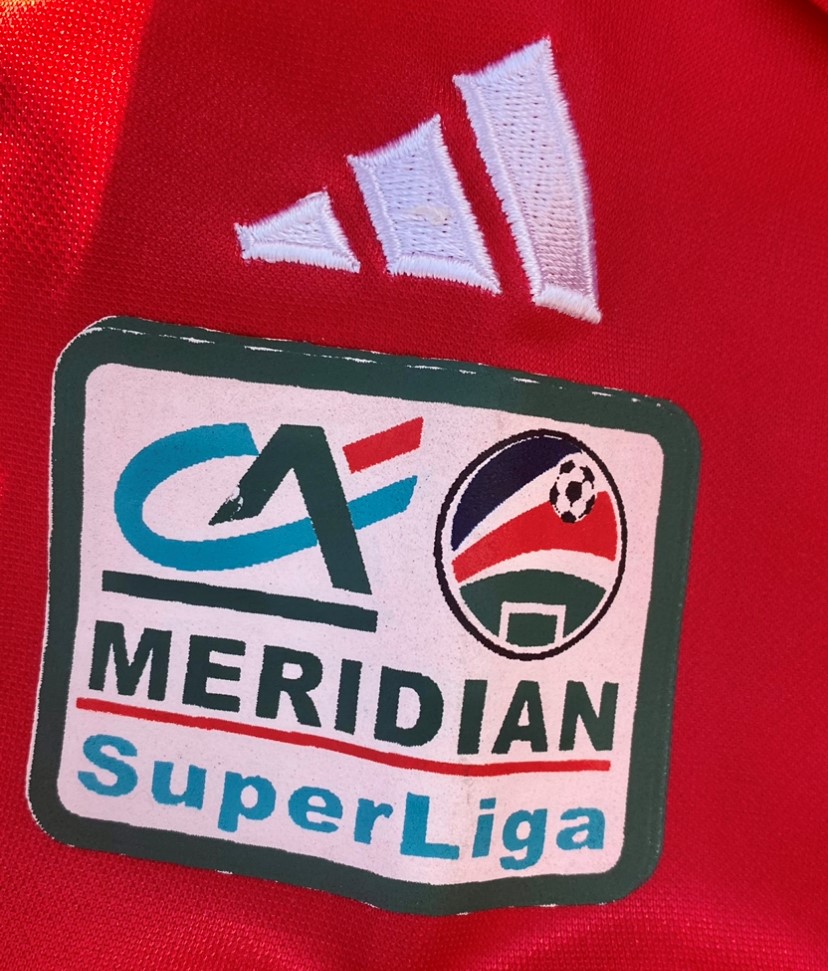
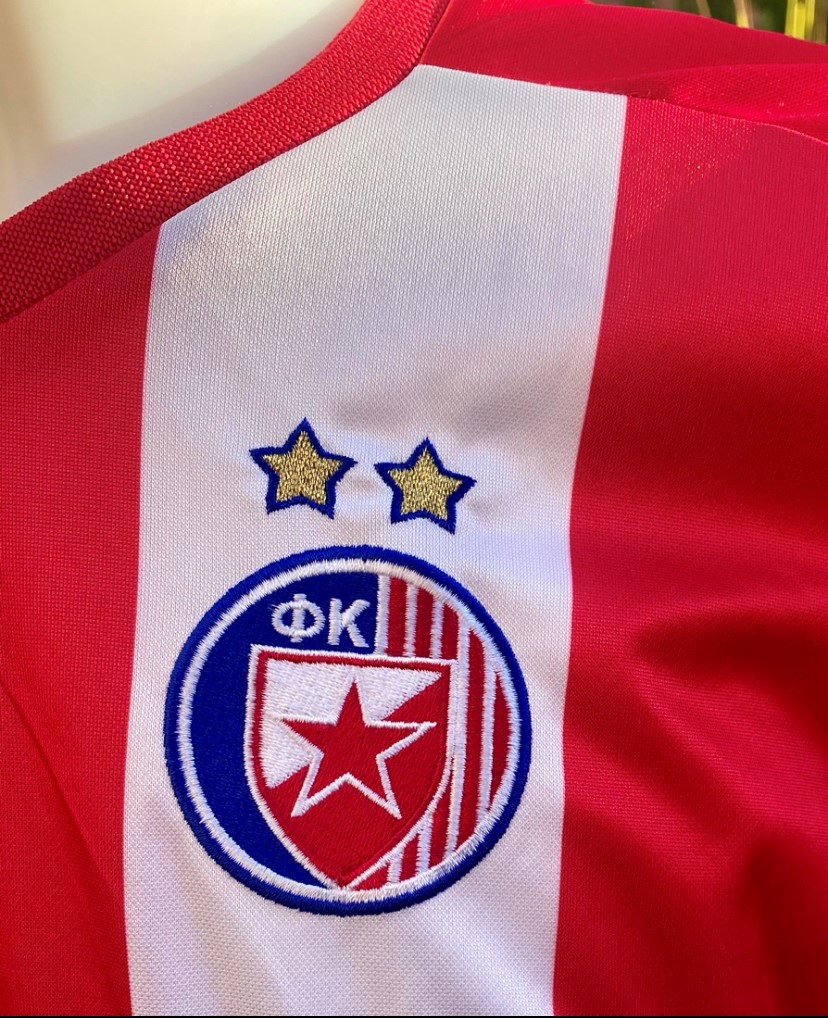
The kit features the famous red and white stripes of the Belgrade side along with Adidas branding on the front of the shirt and also a small Adidas logo on the sleeves instead of the famous three stripes. The right sleeve also features the old Serbian and Montenegrin league badge before the current league began.

The back of the top features the name, number and a sponsor on a bit of fabric that has been sewn on to the top separately instead of the more modern approach of names and numbers being pressed onto tops.

Categories
British Club Tops

Willie Pettigrew – Dundee United 81′

Arriving from Motherwell for £100,000, in 1979, after scoring 80 goals in 166 appearances, Pettigrew was known as one of the most clinical finishers in Scotland. It is during his time at Motherwell where he would be called up by the national team, earing five caps, where he would be competing for a place against the likes of Kenny Dalgleish, Joe Jordan and Derek Johnstone.
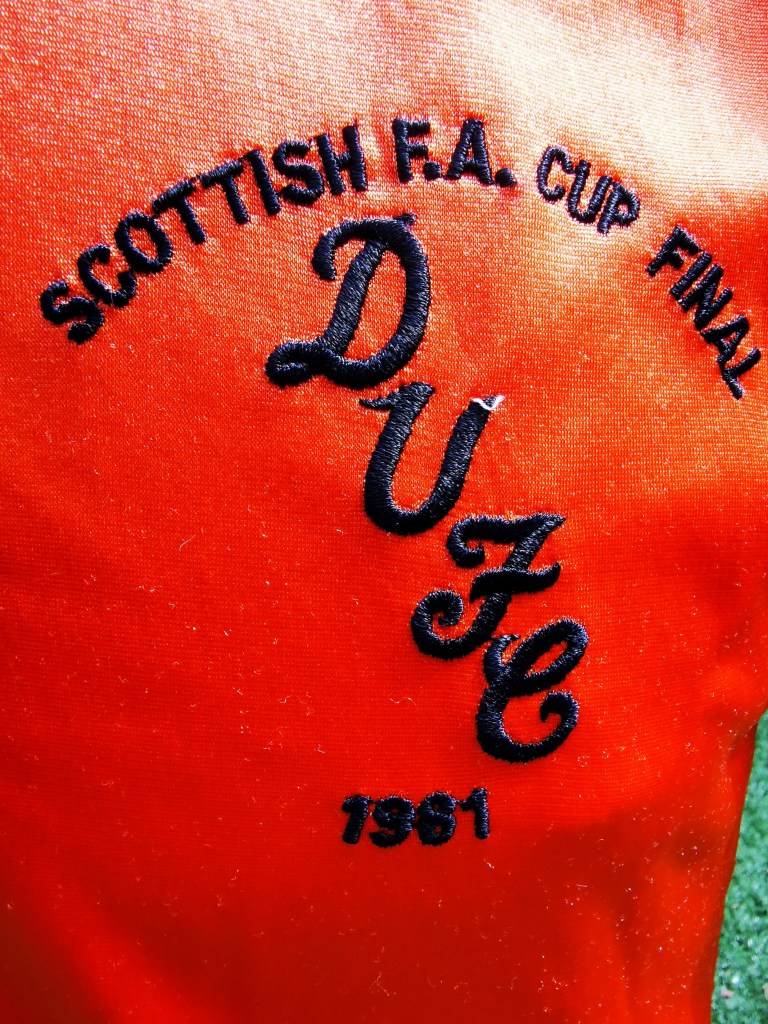
During his time in Dundee, Willie would lift the Scottish League Cup back to back in his first and second years at the club where United would almost win the cup double in the 80-81 season getting so far as the final before Rangers would beat them 4-1 at Hampden in the replay as the original fixture ended 0-0 after extra time. Davie Dodds would score the only goal for Dundee United during the game.

After the final Dundee United would cash in on Pettigrew, making a profit after selling him to Hearts for £120,000. It is here where Pettigrew would help Hearts gain promotion to the top flight.

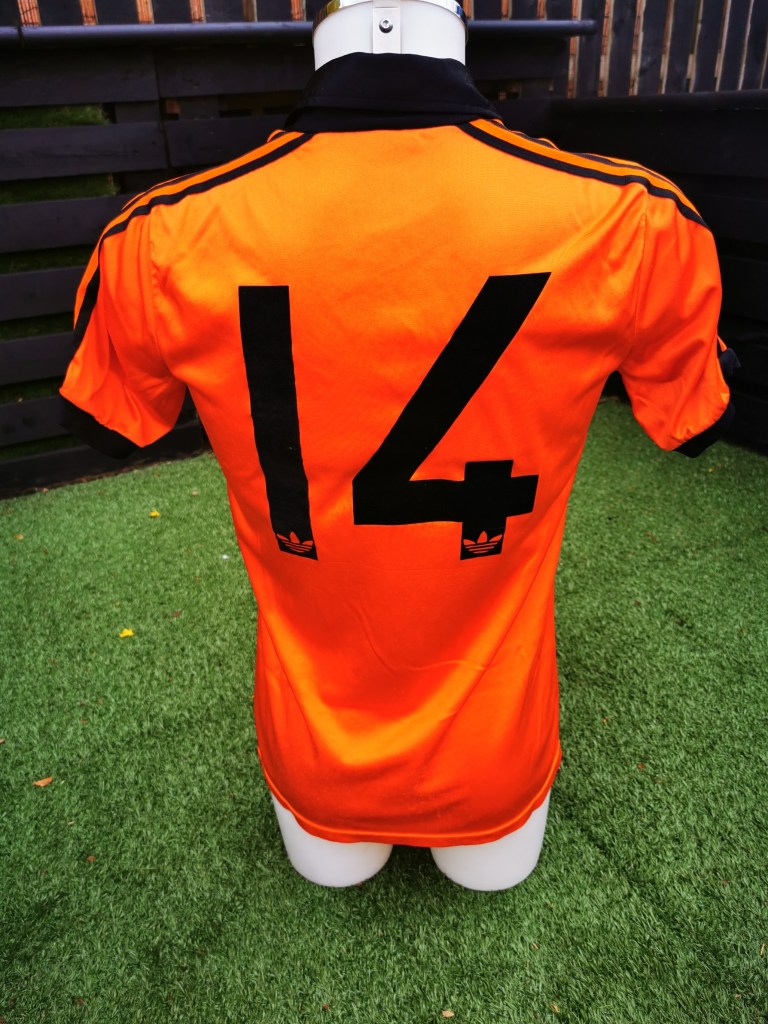
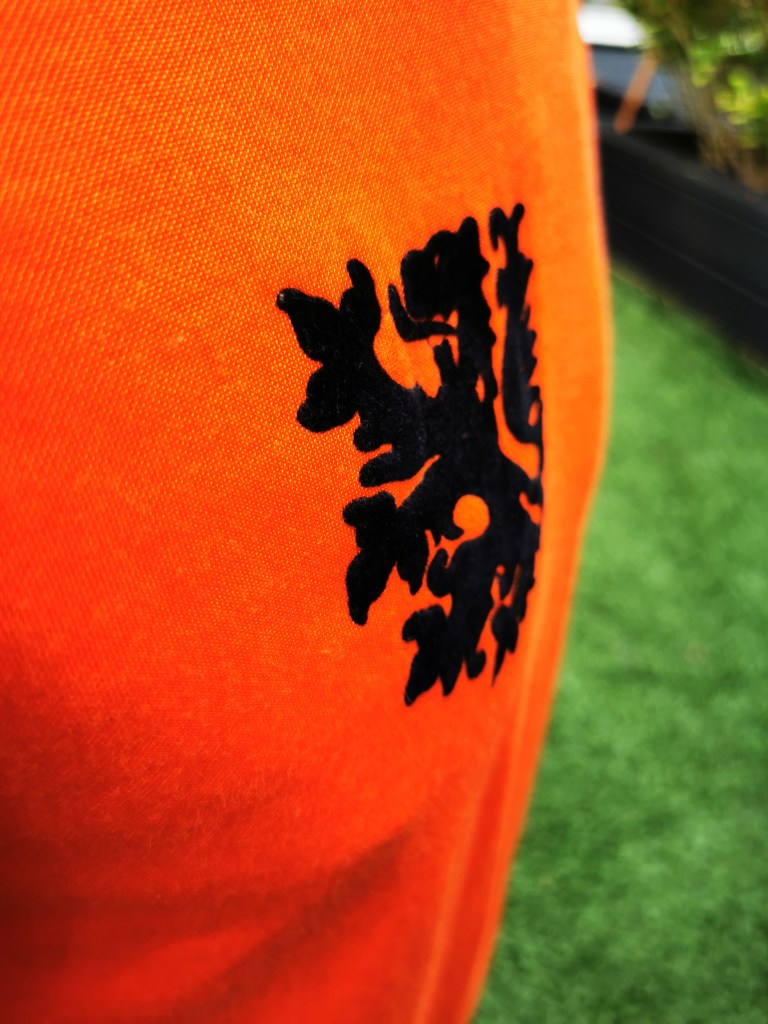
This kit resembles the Netherlands 76′ that is also on the website. As both are made by Adidas and use very similar colours although Adidas moved with the times and over the next five years they would introduce their own branding on the front of the shirt and on each of the numbers used on the back. The collar has also changed from a round neck to a more modern ‘V’ neck with a large collar being black to contrast the bright tangerine colour of the top.

Categories
European International Tops

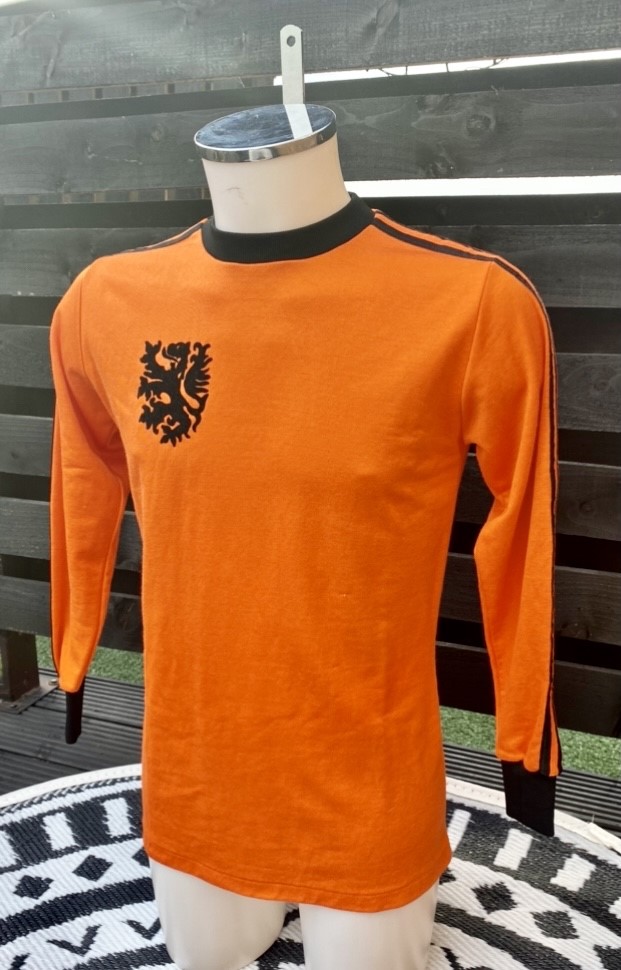
Jan Everse – Netherlands 76′

Not a common household name, Jan Everse was a left back for Holland who spent all his days in his home country playing for Feyenoord between 1972 – 1977 and Ajax between 1977 – 1980. Everse only played for eight years before being forced into retirement. However, during this short career Jan managed to be called up to both Holland under 23’s and then the Holland national team, winning two caps against Belgium and Yugoslavia.

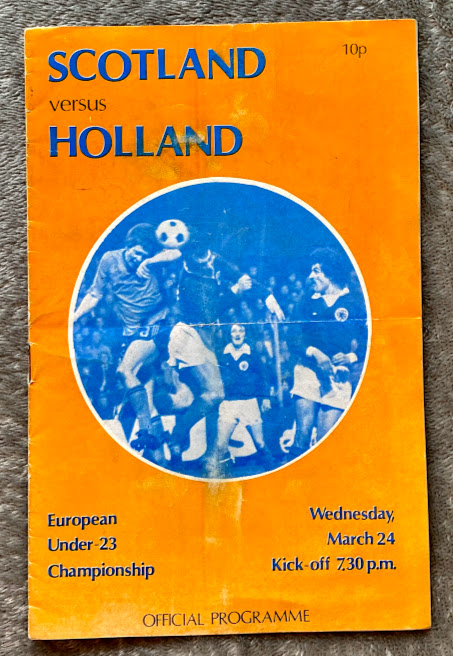
This top comes from Scotland versus Holland during the European Under-23 Championships in March 1976 where the match was played out in front of an incredible crowd of 32,593 at Easter Road. This Scotland team consisted of players such as Joe Jordan of Leeds United, Derek Johnstone of Rangers and Willie Pettigrew of Motherwell, who would go on to swap jerseys with Jan after the game.

Having won the first leg 2-0, Holland would lose this game 2-0 with goals coming from Derek Johnstone and Colin Jackson. taking the game to extra time and eventually penalties where the dutch would succeed and take their place in the next round of the tournament. The Dutch would soon feel the same heartbreak as the Scots as they were beaten in the semi-final by the eventual winners, the Solviet Union.

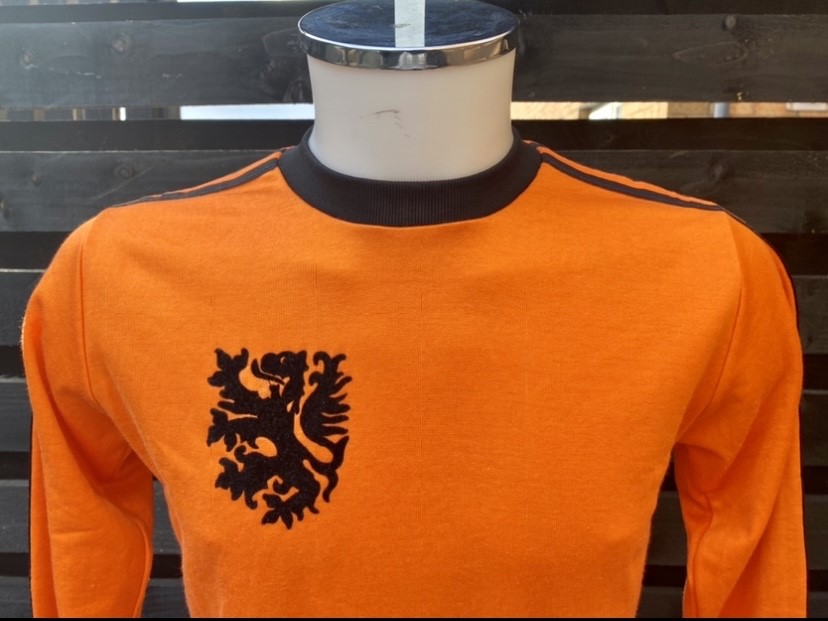
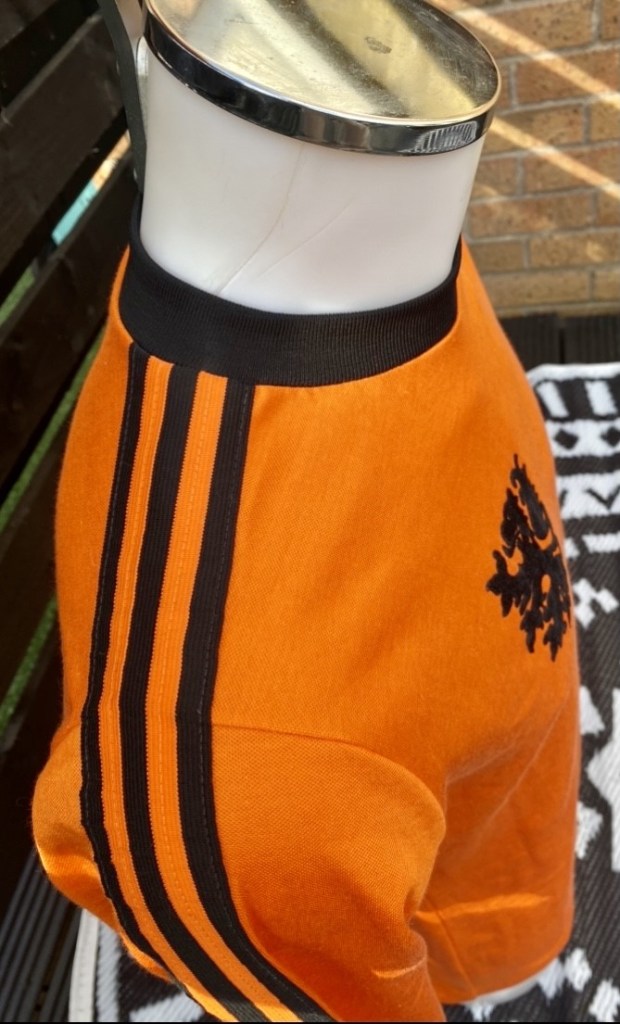
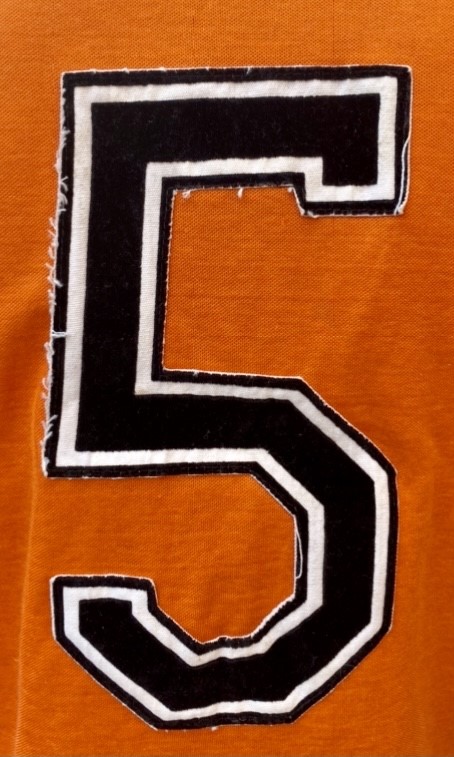
This Adidas top is identical to the jersey wore by the Netherlands in the 1976 European Championships as it features the bold black collar with the iconic Adidas three stripes running down the sleeve towards a thick black cuff. A simple top, as all jerseys only featured the badge and the players number (No trefoil on this jersey), the flying dutchmen always make their kit stand out due to their use of the colour orange which signifies the Dutch Royal Family and William I of Orange who led the country to independence back in the day. A bright kit that is instantly recognisable to everyone, fans of the Oranje should remember this top for years to come.


2 5 7 9 10 11 14 1970's 1990's 2000's Adidas Admiral Australia Black Blue Borussia Dortmund Celtic Chelsea Claret and Amber Diadora England English European Everton Germany Green International Italian Liverpool Macron Motherwell Nike Orange Pony Puma Purple Rangers Red Scotland Scottish Umbro Wales White Xara Yellow

Categories
European International Tops

Andreas Möller – Germany 96′

A legend with Die Mannschaft, Andreas Möller has won it all from the World Cup in 1990 to the Champions League in 1997. After starting his career in 1885 with Eintracht Frankfurt, he would move to Borussia Dortmund for just over one million euros. This would be his first spell at Borussia Dortmund where he would leave after his contract expired only winning the DFB-Pokal during his two years before returning to Frankfurt. After leaving Dortmund, Möller would be called up for the Italia 90 World Cup which West Germany would go on to win in the final against Argentina. This would be the last tournament for West Germany before it would be reunified with East Germany.

After leaving Frankfurt for a second time, Möller would this time end up in Italy with a Juventus team that would consist of Roberto Baggio, Paolo Di Canio, David Platt and Antonio Conte. In his first season with The Old Lady Andreas would win the UEFA Cup, beating his previous employers, Borussia Dortmund, 3-1 at the Westfalenstadion and 3-0 at the Stadio delle Alpi with Moller scoring in the second leg.

Juventus came second in the Serie A and quarterfinalists in the UEFA Cup so with Möller being trophyless he would return to Germany with a second stint at Borussia Dortmund where he would go on to win two Bundesliga titles and a Champions League. During the 1994/95 first round of the UEFA Cup, Moller scored the only goal of the first leg when Borussia Dortmund played Motherwell which is where Dortmund would first spot future signing Paul Lambert.

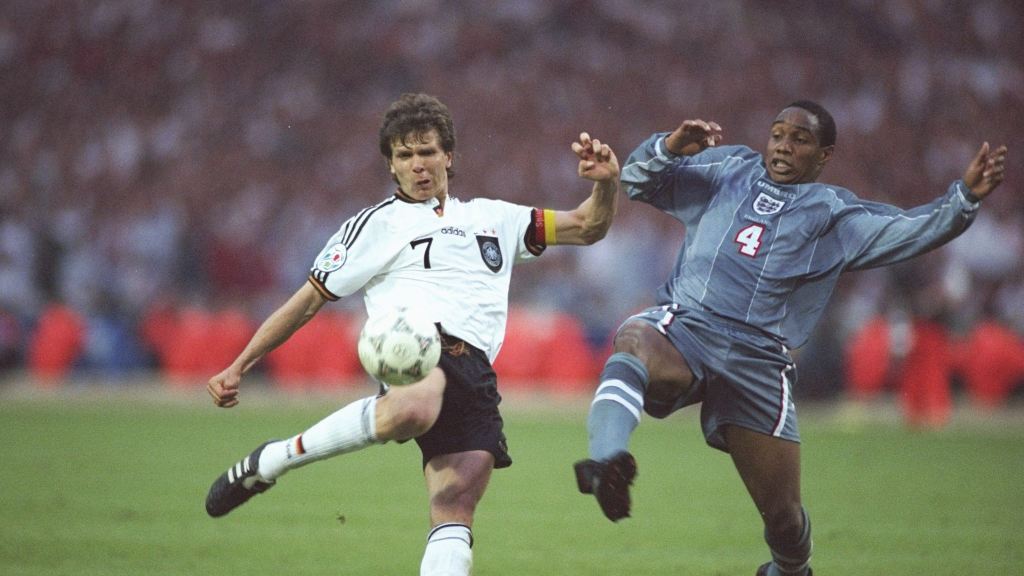
Where Möller is mostly remembered however would be when he scored the decisive penalty against England in the semi-final of Euro 96 as Germany would go on to lift the trophy. Over his career, the German international would be capped eighty-five times for his country, scoring twenty-nine goals.

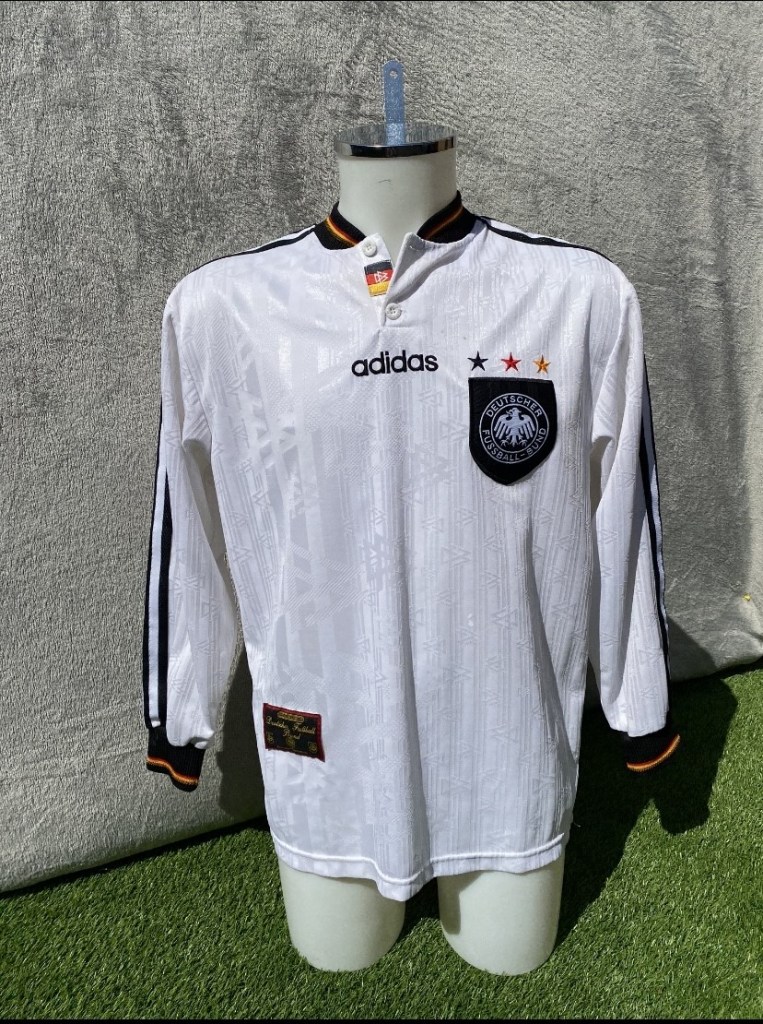
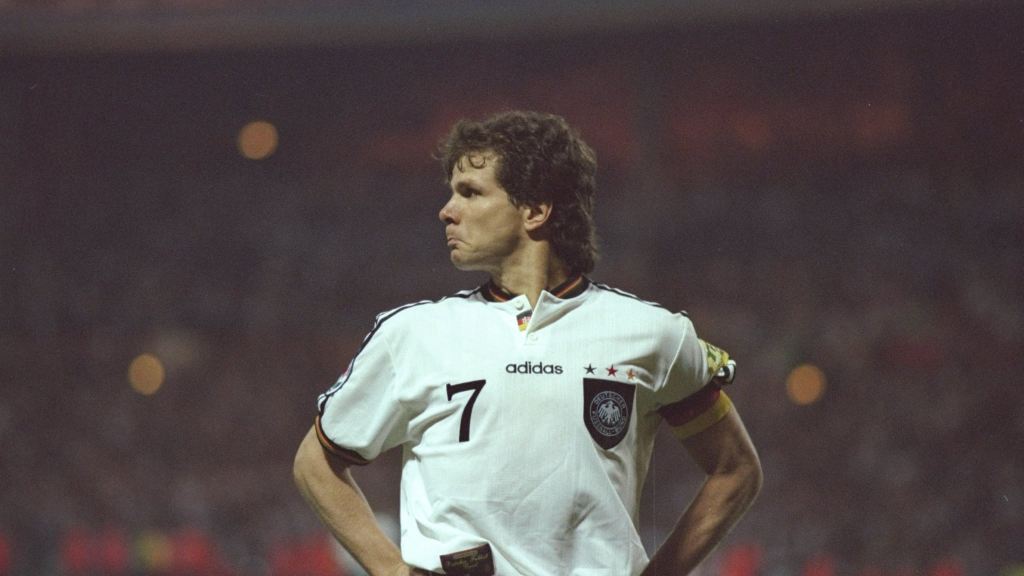
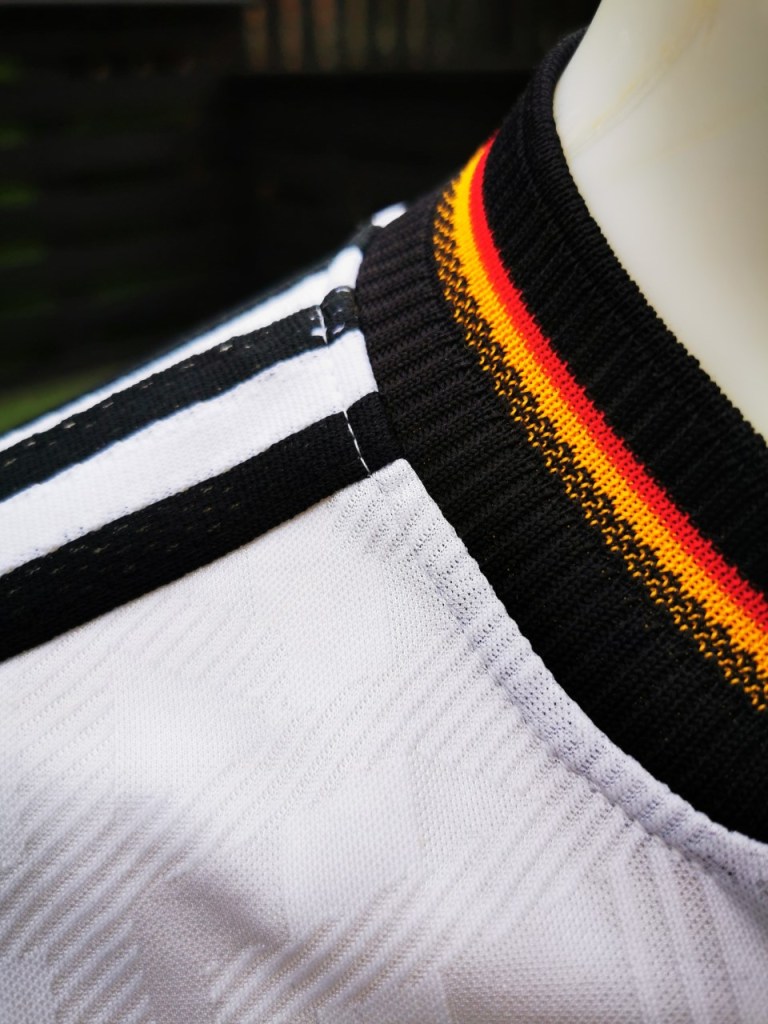
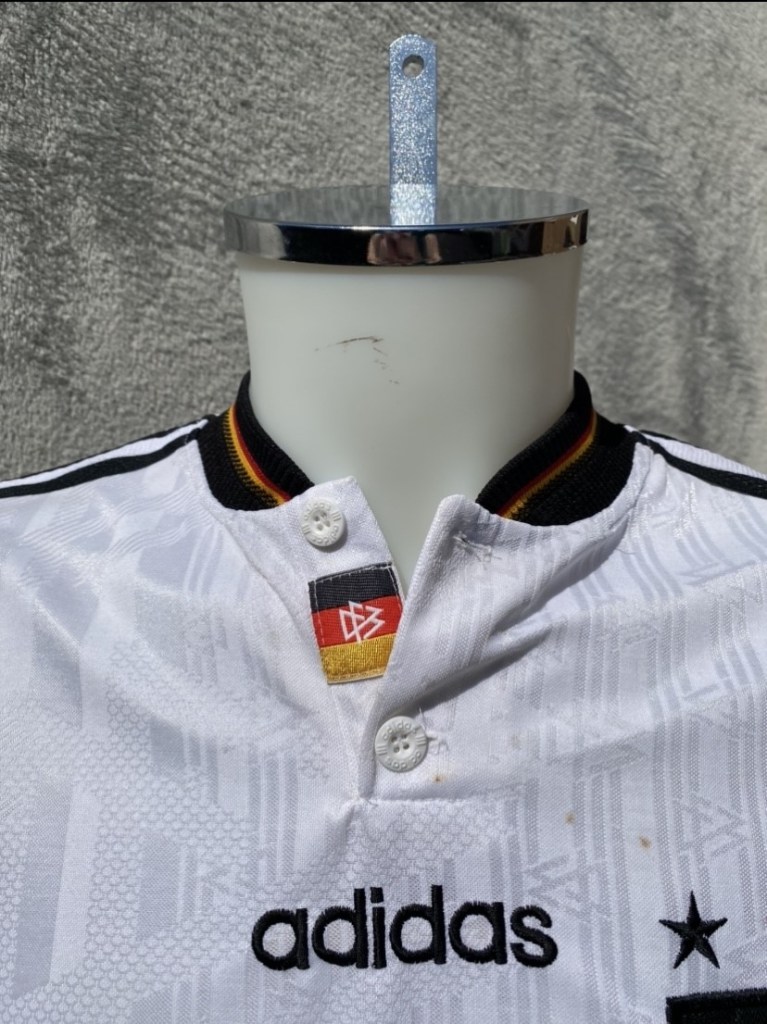
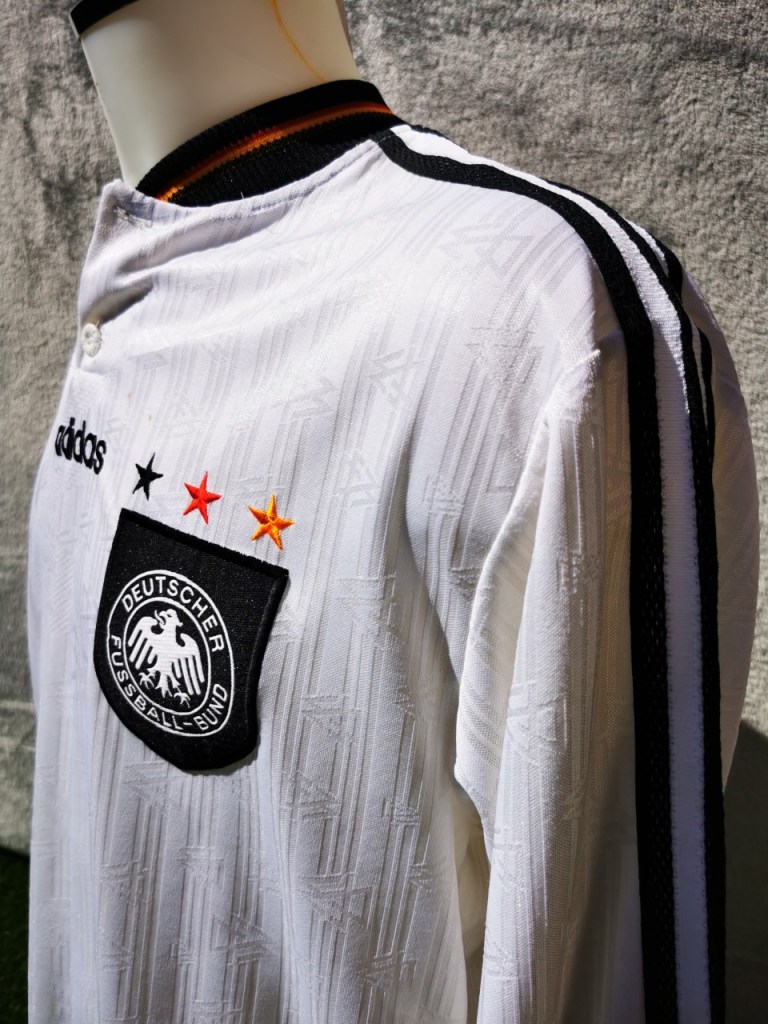
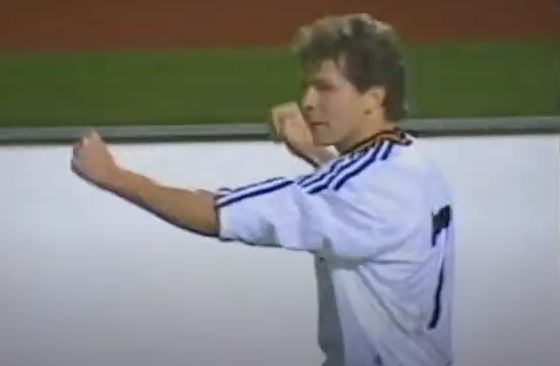
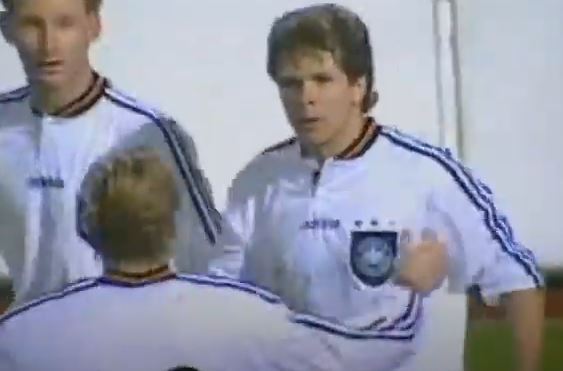
Euro 96 would be where this Germany home top would be showcased in front of the world. This top has so much detail throughout it, showing off different sizes of the German Football Association logo in vertical stripes. The collar, cuffs and stars above the badge are all in the colours of the Germany flag with a small flag in between in buttons of the shirt. The shirt would not be complete if it were not for the iconic adidas stripes running down each sleeve with the black stripes contrasting along the white shirt. The number seven is not featured on the front of this jersey as this top was used in a German friendly rather than a major tournament as shown in the the photos above.


2 5 7 9 10 11 14 1970's 1990's 2000's Adidas Admiral Australia Black Blue Borussia Dortmund Celtic Chelsea Claret and Amber Diadora England English European Everton Germany Green International Italian Liverpool Macron Motherwell Nike Orange Pony Puma Purple Rangers Red Scotland Scottish Umbro Wales White Xara Yellow